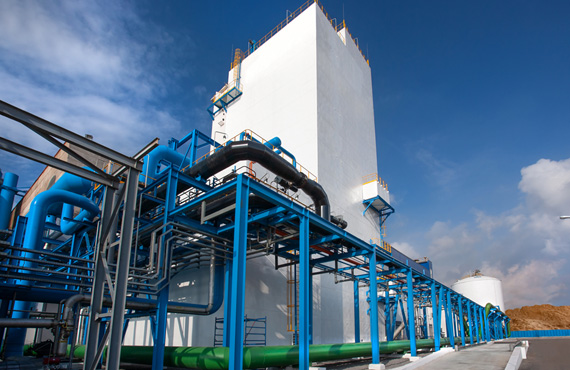
An air separation unit (ASU) is a critical facility in various industrial applications for producing high-purity oxygen, nitrogen, and other gases. An ASU industrial oxygen plant leverages these units to supply gases essential for industries such as steelmaking, chemical processing, and healthcare. Understanding the key components of an ASU industrial oxygen plant facilitates a deeper appreciation of the sophistication and engineering expertise involved in their construction and operation.
Core Components of ASU Industrial Oxygen Plants
1. Air Compression System
Air compression is the initial stage in the air separation process. The ambient air is compressed to optimal pressure levels using industrial api 618 compressors. These compressors are designed to handle large volumes of air efficiently while maintaining energy consumption within specified limits. Key features of air compressors include:
- Durable construction to withstand high pressure and temperature.
- Efficient cooling systems to manage the heat produced during compression.
- Advanced control systems for monitoring and adjusting operational parameters.
2. Air Purification System
Once compressed, the air undergoes purification to remove impurities such as moisture, carbon dioxide, and hydrocarbons. This is essential to prevent freezing and blockages in the cryogenic distillation columns. The purification process typically involves:
- Pre-cooling units to lower the air temperature.
- Molecular sieve adsorbers that capture contaminants.
- Regeneration systems that restore the adsorbers’ efficiency.
3. Cryogenic Distillation
At the heart of the air separation industrial unit is the cryogenic distillation system. This process separates air into its primary components?oxygen, nitrogen, and argon?by cooling it to liquefy the gases at distinct boiling points. Critical elements of the cryogenic distillation system include:
- Distillation columns that facilitate the separation based on boiling point differences.
- Heat exchangers that efficiently manage the temperature gradients required for liquefaction.
- Reboilers and condensers that support continuous phase transitions between liquid and gas states.
4. Product Storage and Distribution
After separation, the gases are stored and prepared for distribution. Storage systems in an air separation industrial plant are designed to ensure safety and maintain product purity. Storage and distribution components include:
- Cylinders and tanks that hold the separated gases at required pressures.
- Pipelines and control valves that manage the flow of gases to distribution points.
- Monitoring systems that ensure the integrity and safety of the stored gases.
Advanced Control Systems and Maintenance
The operation of an asu industrial oxygen plant relies heavily on advanced control systems that automate and optimize various processes. These systems include:
- Programmable logic controllers (PLCs) that automate operations and enhance efficiency.
- Real-time monitoring systems that track performance metrics and provide diagnostics.
- Predictive maintenance tools that anticipate issues before they lead to downtime.
Regular maintenance and system upgrades are essential to ensure the longevity and optimal performance of the plant. An effective maintenance strategy involves scheduled inspections, equipment calibration, and timely replacements of worn-out components.
Conclusion
Understanding the key components of an industrial oxygen plant provides insight into the complexity and precision of air separation industrial units. These components work harmoniously to ensure the reliable production of high-purity gases, supporting the diverse needs of modern industries. As technology advances, the integration of new innovations and improvements in these facilities will continue to enhance their efficiency and sustainability.